How long do penile implants last?
Penile Implant in Dubai, also known as penile prostheses, are medical devices surgically inserted into the penis to treat erectile dysfunction (ED) in men who fail to respond to other treatments. One of the primary concerns for individuals considering penile implant surgery is the longevity of these devices. Understanding how long penile implants last is crucial for making informed decisions regarding treatment options and expectations.
Introduction
Penile implants are designed to provide long-term solutions for erectile dysfunction, allowing individuals to regain sexual function and improve their quality of life. However, the durability of these implants can vary depending on several factors, including the type of implant, surgical technique, and patient-specific factors.
Types of Penile Implants
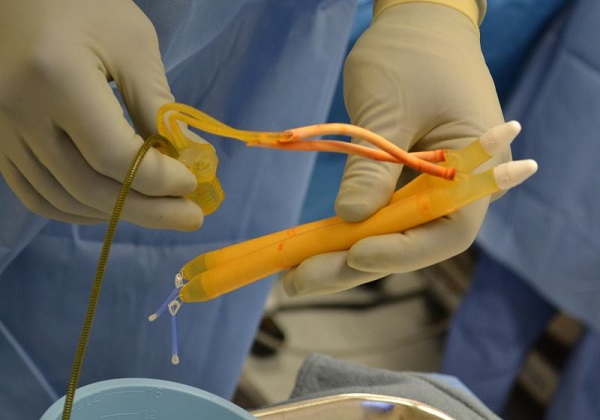
There are three main types of penile implants: inflatable, malleable, and semi-rigid. Inflatable penile implants consist of two cylinders implanted in the penis, a pump placed in the scrotum, and a reservoir containing fluid. Malleable penile implants are semi-rigid rods that can be bent into a desired position for sexual activity. Semi-rigid penile implants are similar to malleable implants but offer some degree of flexibility.
Factors Affecting Longevity
Several factors can influence the longevity of penile implants. The material used in the implant, the skill of the surgeon performing the procedure, the overall health of the patient, and the quality of post-operative care all play essential roles in determining how long an implant will last.
Average Lifespan of Penile Implants
Research suggests that penile implants have a high success rate and can last for many years with proper care. However, the exact lifespan of an implant can vary depending on factors such as the type of implant and individual patient characteristics. On average, penile implants are designed to last between 10 and 15 years, although some may last much longer.
Signs of Implant Failure
While penile implants are designed to be durable, they can fail over time due to mechanical issues, infection, or other complications. Common signs of implant failure include pain or discomfort, changes in the appearance or function of the penis, and signs of infection or inflammation.
Maintenance and Care Tips
To prolong the lifespan of a penile implant, it is essential to follow proper maintenance and care guidelines. This includes attending regular follow-up appointments with a healthcare provider, practicing good hygiene, and making lifestyle adjustments to reduce the risk of complications.
Options for Replacement
If a penile implant fails or becomes damaged, replacement surgery may be necessary. Depending on the circumstances, revision surgery may involve removing and replacing the existing implant or opting for alternative treatments for erectile dysfunction.
Patient Experiences and Testimonials
Many individuals who undergo penile implant surgery report significant improvements in their quality of life and overall satisfaction with the results. Real-life stories and testimonials can provide valuable insights into the experiences of patients who have chosen penile implants as a treatment for ED.
Future Developments in Penile Implants
As technology continues to advance, researchers are exploring new techniques and materials to improve the longevity and effectiveness of penile implants. Future developments may lead to innovations that offer even greater benefits for individuals with erectile dysfunction.
Consultation with Healthcare Professionals
If you are considering penile implant surgery, it is essential to discuss your options with a qualified healthcare professional, such as a urologist. They can provide personalized recommendations based on your medical history, lifestyle, and treatment goals, helping you make informed decisions about your care.
Conclusion
Penile Implant are an effective treatment option for men with erectile dysfunction, offering long-term solutions and improved quality of life. While the longevity of penile implants can vary, proper maintenance, regular follow-up care, and open communication with healthcare providers can help maximize their lifespan and ensure optimal outcomes for patients.